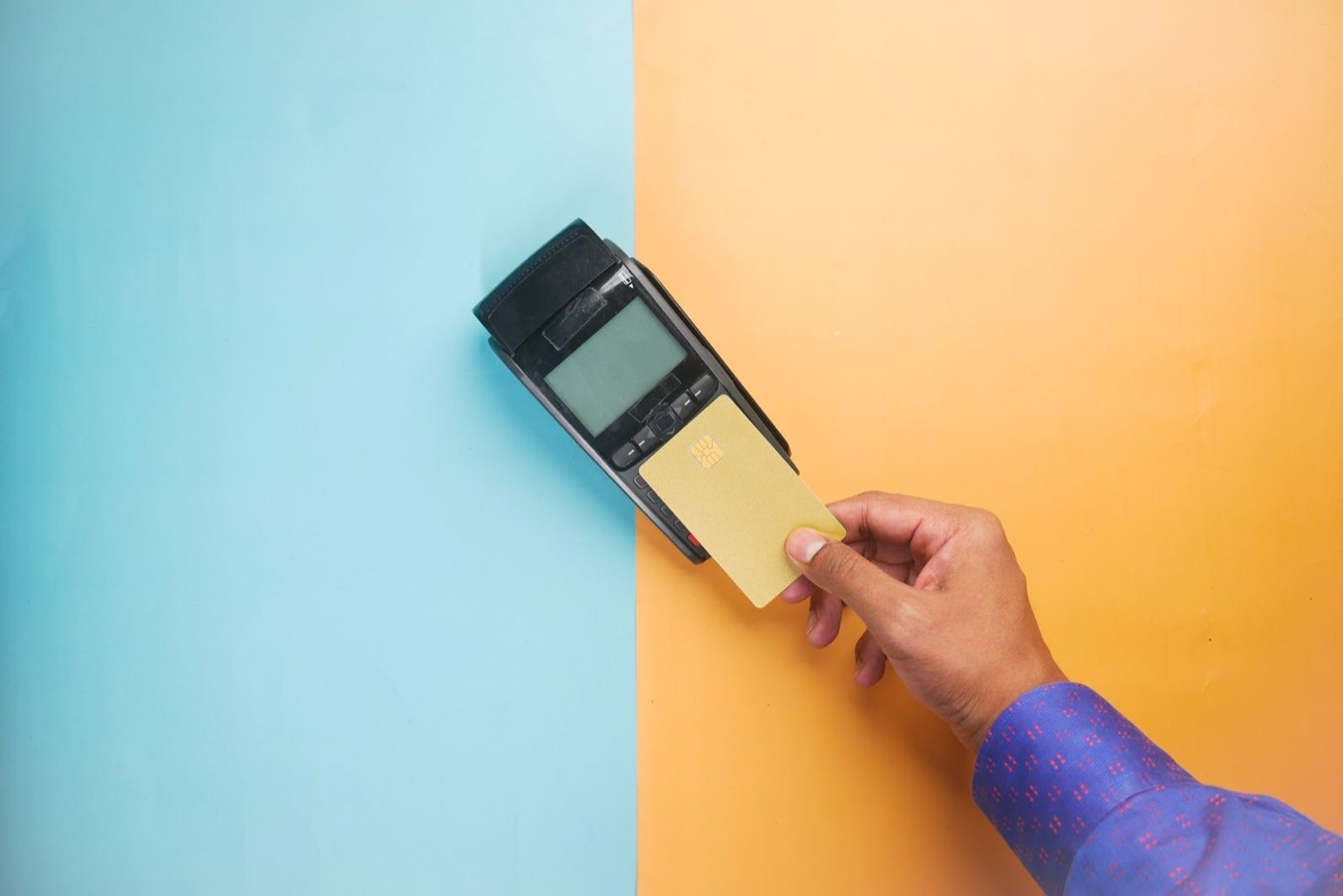
Rwanda's currency is the Rwandan franc, and local services are usually paid for in cash in francs. Cards work in a growing number of places, ATMs are easy to find in Kigali, and US dollars are accepted for larger purchases. Carry some francs so a small bill never becomes a problem.
This guide uses the Rwandan government's practical information for travelers, Visit Rwanda and the hotel's own advice.
Francs, Dollars And Cash
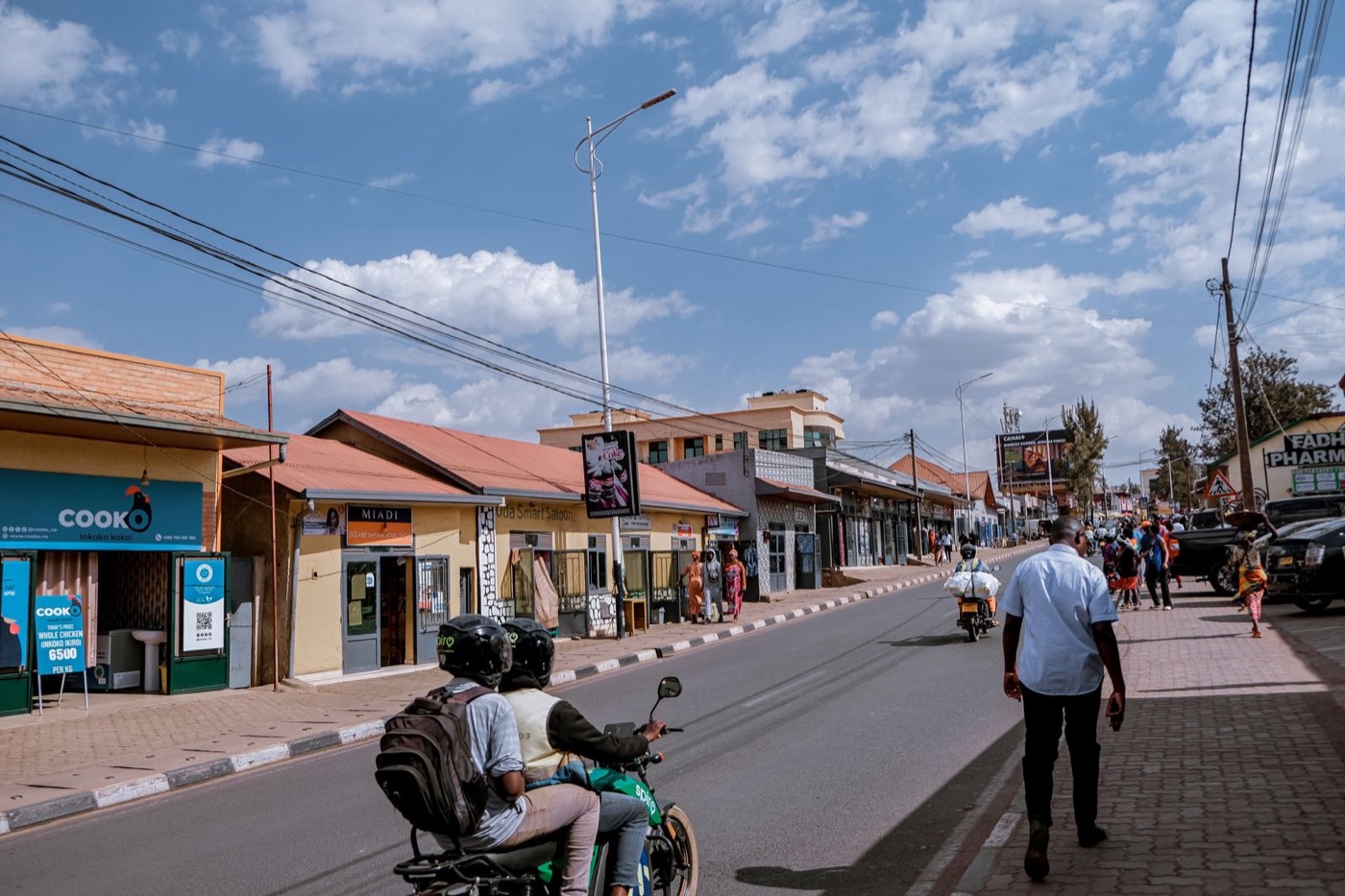
The embassy page says the Rwandan franc is the principal currency, although US dollars are widely accepted. Local services are usually paid for in cash, in francs. Larger purchases, such as gorilla tracking and upmarket hotels, are more likely to be priced in dollars or other hard currencies.
That matches what visitors see. The gorilla tracking permit is listed at 1,500 US dollars per person per day, and Step Town Hotel lists its nightly rates in US dollars. The Kigali Genocide Memorial lists its audio guide package at 30 dollars or 40,000 francs, so some places show both.
The hotel's own advice to visitors is to carry Rwandan francs, because cards are not accepted everywhere.
A simple plan: change or withdraw francs on your first day in Kigali, keep a small stack of notes for taxis and meals, and use dollars or a card for the larger bills.
Cash can be exchanged at banks and at private foreign exchange bureaus. Both are closed on Sundays and public holidays, so change money before a weekend or a holiday.
On tipping, the embassy page says it is discretionary and appreciated, and that cash is usually preferred. It suggests about 10 US dollars per day for guides and drivers.
Cards And ATMs
A growing number of places accept credit and debit cards, and Visa is more widely accepted than Mastercard, according to the same page. It advises checking whether a place takes cards when you book.
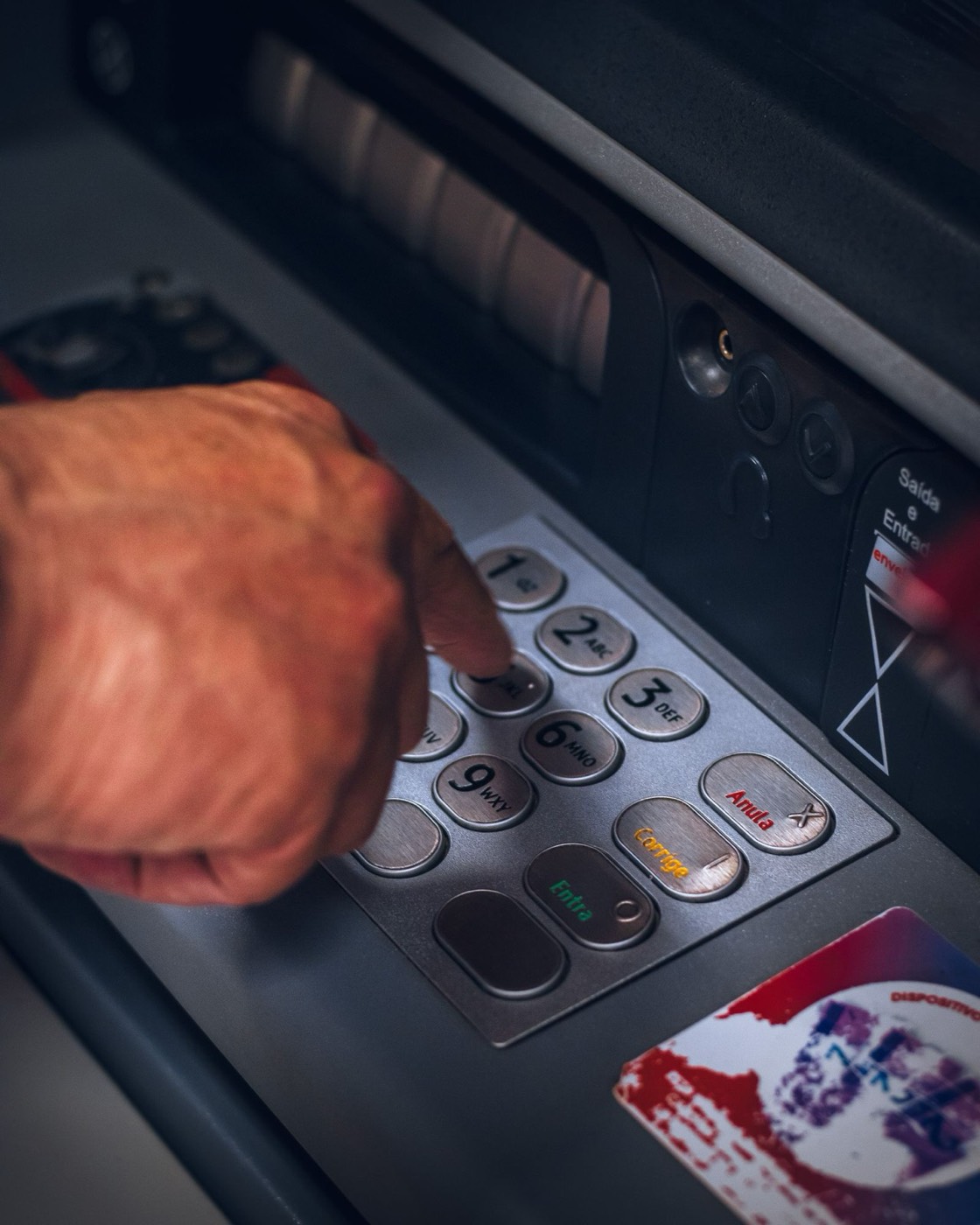
ATMs are found in Kigali and nearly all major cities. Carry enough cash for smaller towns. Tell your bank you are traveling before you leave, and keep a second card in a different bag.
Government services have their own payment route. National museum fees are paid through Irembo, the government portal, which takes Visa, Mastercard, American Express or mobile payment, according to its help pages.
Mobile Money And SIM Cards
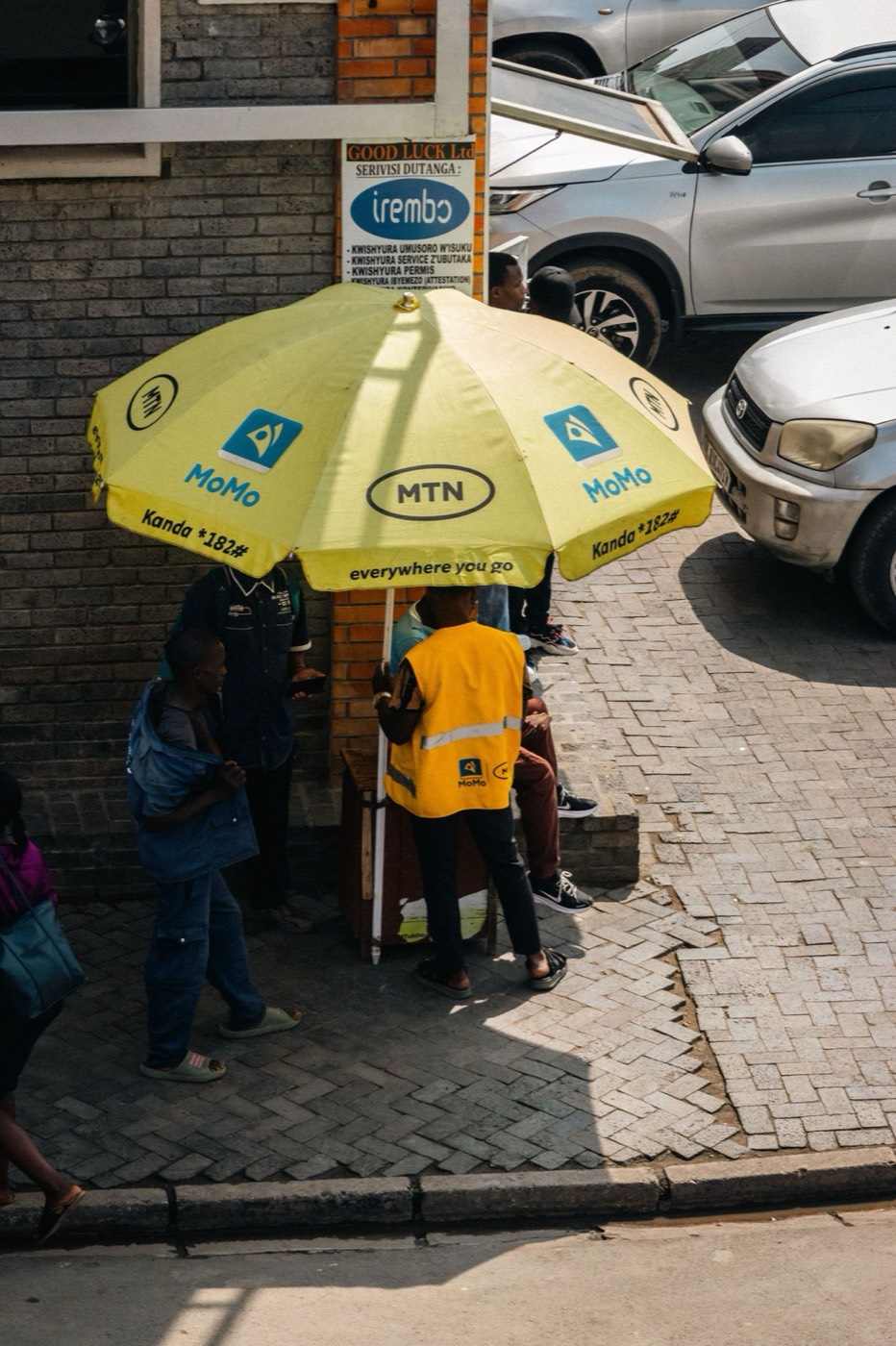
Visit Rwanda says local SIM cards are readily available everywhere, even in remote towns. MTN is the main provider, followed by Airtel, and there is 4G in major cities.
MTN Mobile Money is used for official payments: Irembo shows a code to dial for it. The official pages we read do not say whether a short-stay visitor can open a mobile money wallet, so ask the provider when you buy your SIM rather than counting on it.
A local SIM is still worth having for maps, ride apps and calling your driver. Keep francs in your pocket as the fallback.
Frequently Asked Questions
What is the Rwandan currency?
The Rwandan franc. The embassy page lists it as the principal currency, with US dollars widely accepted.
Should I bring cash or rely on cards?
Bring both. The hotel advises carrying Rwandan francs because cards are not accepted everywhere, and the embassy page says local services are usually paid for in cash.
Are there ATMs in Kigali?
Yes. ATMs can be found in Kigali and nearly all major cities, according to the embassy page.
Can I pay in US dollars?
Often, for larger purchases. The embassy page says US dollars are widely accepted, but local services are usually paid for in francs, so keep some of both.
Do I need to tip?
Tipping is discretionary and appreciated, and cash is usually preferred, according to the embassy page.
Plan The Money Before You Book
Send a booking request on the reservation page. Ask the hotel at that point which payment methods it takes for your stay, and arrive with some Rwandan francs for your first day.