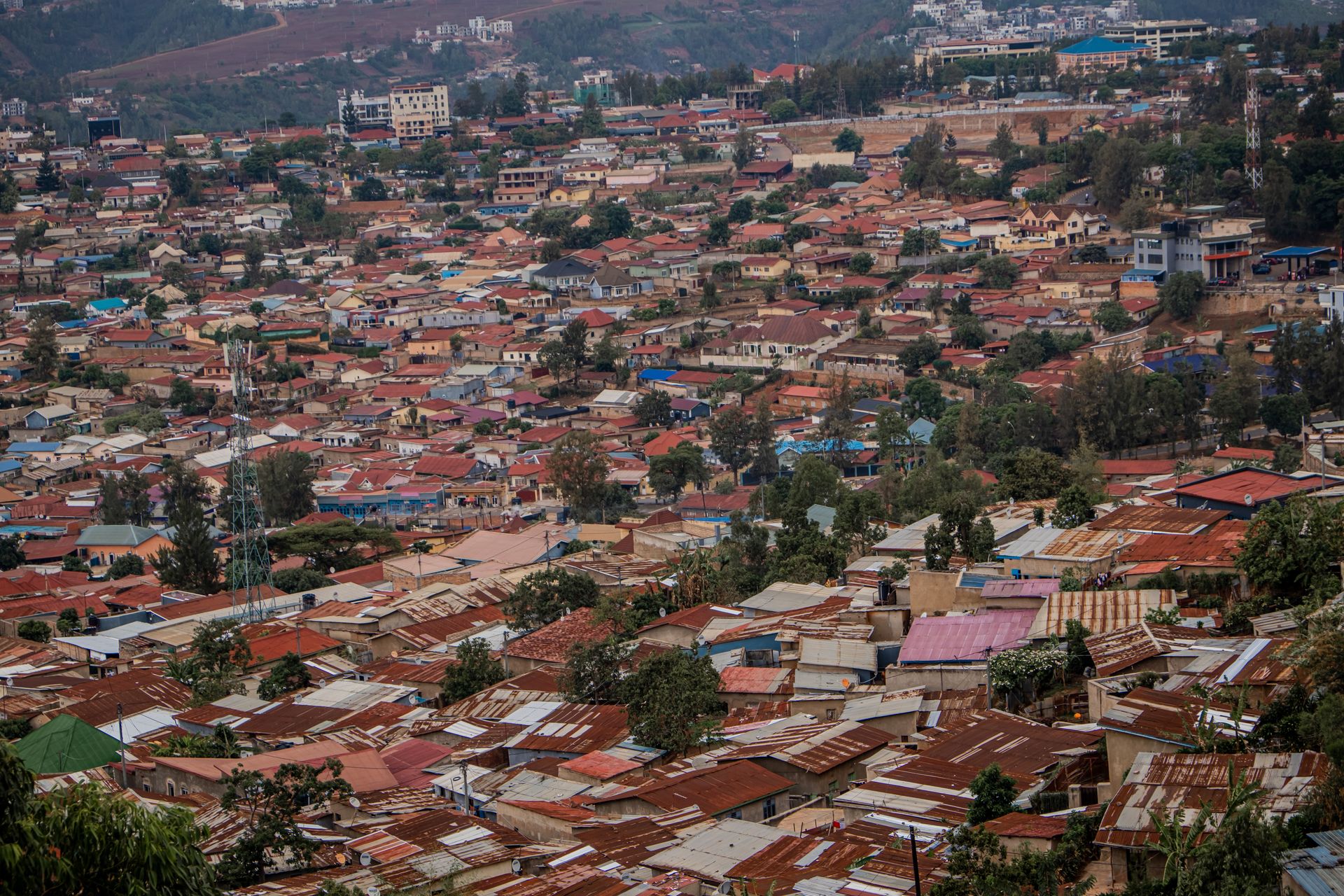
A good educational itinerary for Kigali fits two days: history on the first, art and city life on the second. Day one is the Kigali Genocide Memorial and the Kandt House Museum. Day two is the Rwanda Art Museum, the Campaign Against Genocide Museum and, if time allows, Kimironko market. The Memorial and the national museums publish their hours and fees, so a teacher can price both days before booking flights.
Step Town Hotel is a small hotel in Kigali. Its site says it sits in the quiet suburbs of central Kigali, about 15 minutes from the airport, with breakfast included in the room rate and a restaurant serving traditional Rwandan food with vegan options.
What Do Students See On Day One?
Start at the Kigali Genocide Memorial. It opens at 9:00 and takes its last entry at 16:00, seven days a week. It says it is in Gisozi, a ten minute drive from the centre of town. Entry is free.
Groups of more than 15 should book at least one week ahead, and the Memorial splits groups of more than 30 into smaller ones. Children under 12 are not permitted. Students get 15% off staff-guided tour prices, listed on its know before you go page.
The hotel says the Memorial is about 6 minutes away by car, or about 30 minutes on foot. The hotel also reports that visitors have walked in and asked for a guide on arrival, while larger groups should still book ahead.
In the afternoon, visit the Kandt House Museum, one of the national museums run by Rwanda Heritage. Its fees are in the section on costs below.
Where Can Students See Art On Day Two?
Begin at the Rwanda Art Museum. It sits on the same national museums list and in the same fee tier as Kandt House. Then visit the Campaign Against Genocide Museum. A secondary guide, Living in Kigali, places it inside the Parliament grounds, so ask the museum how a group should arrive.
Inema Arts Center in Kacyiru is another option for art. The only listing we found is secondary and undated, so call to confirm its hours before you plan around it.
Ask the front desk about booking museum visits and guides, and about the drive time to each site, when you book transport. The hotel says it can help with airport transfers and private transport for excursions in and outside Kigali.
Is Kimironko Market Worth An Hour With A Group?

For students, a market stall teaches something a museum cannot: how prices are set by talking. Secondary guides, such as this one from The Culture Trip, give Kimironko market's hours as roughly 8:00 to 19:00 daily, busiest on Saturday and Monday, with bargaining expected.
Rwanda has had a ban on plastic bags since 2008, so bring cloth bags for anything students buy.
What Do The Museums Cost A Group?
Rwanda Heritage lists fees in Rwandan francs for each category of visitor. These are the international rates, student first, then adult:
Kandt House Museum and Rwanda Art Museum: 8,000 and 15,000 Rwf.
Campaign Against Genocide Museum: 12,000 and 20,000 Rwf.
Kigali Genocide Memorial: entry is free, and staff-guided tours are priced by group size.
Groups of 30 or more get 20% off at the national museums, and payment goes through Irembo. Rwandan and African visitors pay less, so check the full fee table for your group.
Which Days And Hours Should You Plan Around?

The national museums open daily from 9:00 to 17:00 and close on 7 April, 25 December and 1 January. The Memorial closes on 25 December and 1 January, and normally on the morning of 7 April.
On the last Saturday of each month, Umuganda, the national museums open at 12:00 and the Memorial opens from 13:00 to 17:00. If you can, keep that Saturday for the market and plan the museums for another day.
What If It Rains?

The short rains were forecast to end around 6 December, according to KT Press reporting on Meteo Rwanda. That is a forecast, not an outcome.
Keep the plan loose. Swap the market for a second museum, and give the Memorial a day with spare time on either side. Pack an umbrella for every adult.
How Can Students Talk Through What They Saw?

Day one is heavy, and students need time to say what they think. Ask each student to write three lines in a notebook before dinner, then share one. Do the same after the art museum, when the mood is lighter.
The hotel's meeting room has U-shaped seating for 14, which could suit a short conversation for a small group before dinner. The hotel says the meeting room is available to groups to reflect after a Memorial visit, subject to availability.
The hotel says designated teachers or adult leaders supervise the group, and that supervision arrangements, curfew times and overnight contact procedures are agreed with the hotel on arrival. It places a teacher in a single room near the students' rooms.
What Can The Hotel Arrange For A Group?

The hotel partners with local businesses to arrange group transportation. Its kitchen is open for group lunches and dinners, and it is very flexible on packed lunches, which suits a day split between sites. The hotel says breakfast is included in standard rates, and dinner is a la carte or buffet. Early breakfast is available on request, and dietary needs should go to the hotel in advance. The hotel says it can help with airport transfers and private transport for excursions in and outside Kigali, with the vehicle chosen by group size.
Group rates are quoted by the hotel, not listed. They depend on the period, the number of rooms, the length of stay and the meals, and the hotel asks groups to contact it directly for rates, deposits and cancellation terms. Use the contact page.
The hotel's own advice for visitors: avoid plastic bags, which are prohibited, dress respectfully at the Memorial, carry Rwandan francs because cards are not accepted everywhere, bring sunscreen, and allow extra time for airport transfers in peak traffic.
Frequently Asked Questions
How many days does a Kigali educational itinerary need?
The plan above fits two days, based on the hours the Memorial and the national museums publish. Add a third day if you want a longer market visit or a spare day for rain.
When is the best time to bring a group to Kigali?
Meteo Rwanda's forecast, as reported by KT Press, had the short rains ending around 6 December. Check the museum closures in the hours section before you fix dates.
How much does a day of museums cost?
At the international student rate, Kandt House and the Rwanda Art Museum are 8,000 Rwf each and the Campaign Against Genocide Museum is 12,000 Rwf. The Memorial is free. Rwanda Heritage lists the rates on its museums page.
Is there a discount for school groups?
Groups of 30 or more get 20% off at the national museums, per Rwanda Heritage. The Memorial gives students 15% off staff-guided tours.
Can children visit the Kigali Genocide Memorial?
Children under 12 are not permitted, per the Memorial's own page. Check every student's age before you book.
Can the hotel pack lunches and arrange transport?
Yes. Its kitchen is very flexible on packed lunches, and it partners with local businesses to arrange group transportation. Ask when you book so both are ready for your dates.
Plan Your Group Stay
Contact the hotel through its contact page, or send a booking request on its reservation page. Give your dates, your group size, which days you want meals and packed lunches, and what transport you need. If you plan to visit the Memorial or the museums, say so, so the days can be built around their opening hours. To plan rooms, see the rooms page.